

Key Takeaways
A bulging disc can often improve naturally with conservative care, targeted movement, and lifestyle adjustments, including finding a neutral resting position, using ice and heat strategically, engaging in gentle movement, and building core strength to support the spine. This article explores the common symptoms of a bulging disc, outlines what to do (and what to avoid) during a painful flare-up, discusses daily habits that may support spinal health, and explains when it might be time to seek advanced, nonsurgical orthopedic evaluation.
Table of Contents
A bulging disc can (quite literally) bring your life to a grinding halt. From a sharp catch in your lower back with movement to an ever-present ache that makes sitting through a meeting feel impossible, spine issues are notoriously disruptive to your daily routine.
The good news is that being diagnosed with a bulging disc does not automatically mean you need surgery. Many people are able to find significant relief through conservative, noninvasive approaches that support the body’s natural healing processes.
If you are wondering how to heal a bulging disc naturally, this guide explores the symptoms you might be experiencing, what you can do at home to help support your recovery, and when it may be time to seek advanced, nonsurgical orthopedic care.
Don’t assume surgery is your only option. Schedule your free consultation with AIM’s back pain specialists today.
The Symptoms of a Bulging Disc: What You May Be Noticing
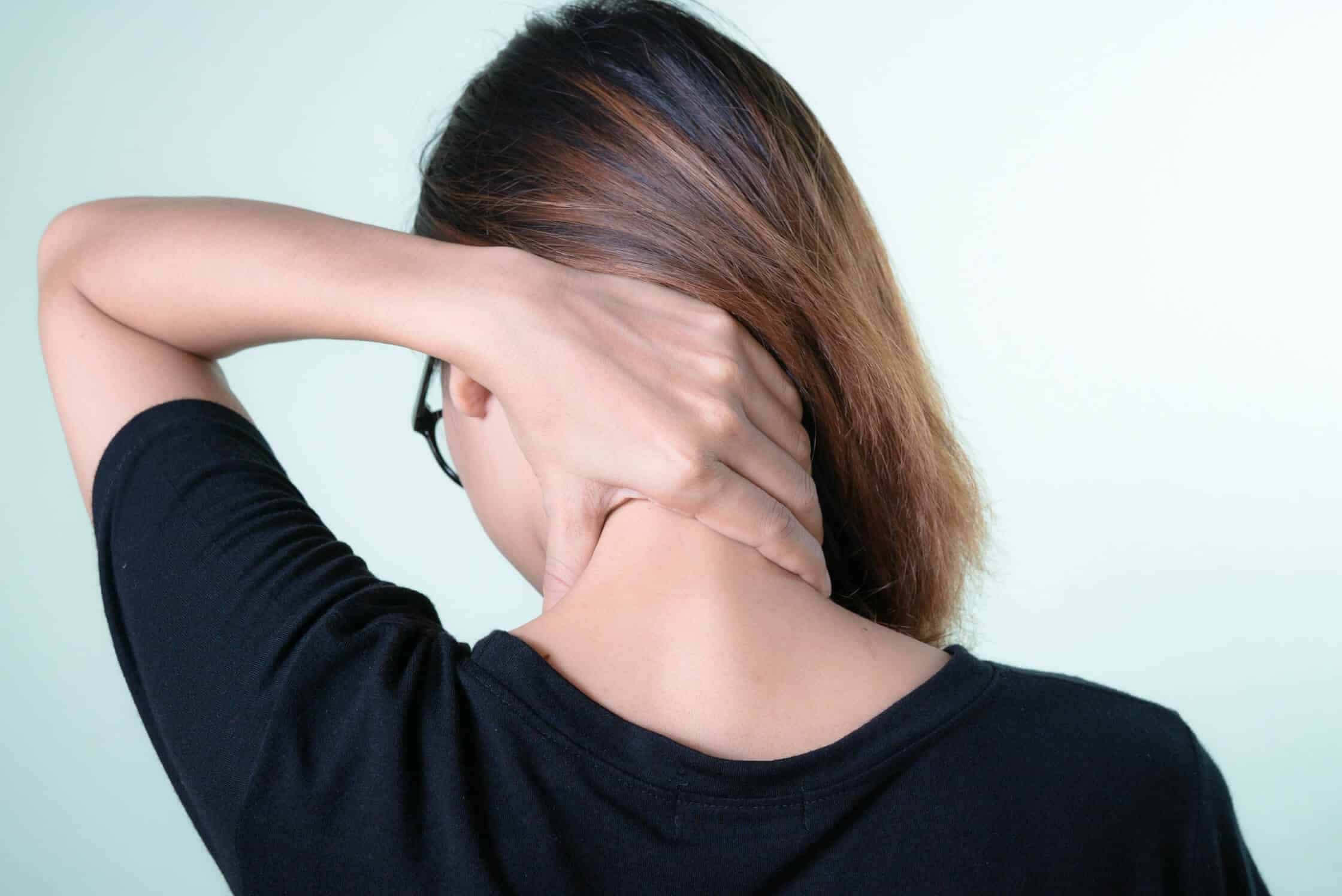
When you have a bulging disc, you may notice a deep, localized ache in your lower back or neck, sudden, sharp jolts during certain movements, or intense muscle stiffness as your body tries to protect the injured area.
As the disc extends outside of its normal space between your vertebrae, the experience of symptoms can vary widely depending on the exact location and severity of the bulge. Often, the surrounding back muscles will tightly spasm in an attempt to “guard” the spine, leading to severe stiffness and reduced mobility. For some, the pain is a dull, constant presence, while for others, it may feel like sharp catches when coughing, sneezing, or reaching for an object.

Signs Your Pain May Be Coming From a Bulging Disc
Signs that your pain may stem from a bulging disc include discomfort that worsens when sitting or bending forward, and relief when lying flat or walking.
Because back pain is so common and symptoms across different spinal conditions can overlap significantly, it can be difficult to tell exactly what the true culprit is. While only a medical professional can formally diagnose your condition, certain patterns suggest a bulging disc may be responsible:
- Positional pain that worsens with sitting: Sitting places much greater compressive pressure on the lumbar discs than standing does. If sitting down—or standing in one place for long periods—aggravates your pain, a disc issue may be involved.
- Pain triggered by specific motions: Flexing the spine forward compresses the front of the disc, which can push the bulge further backward toward sensitive nerves. Because of this, you may notice your pain sharply increases when bending forward, lifting heavy objects, or even when coughing or sneezing.
- Relief when lying flat or walking: Many people with disc issues find that changing positions, taking a light walk, or lying flat on their back can temporarily relieve pressure and soothe pain.
- Radiating pain (Radiculopathy): Depending on where the bulging disc is located, you may experience pain that travels away from the spine. This can look like pain radiating from the lower back into the buttocks, legs, or feet (lumbar), or from the neck into the shoulders and arms (cervical).
When Nerve Symptoms or Sciatica May Be Involved
If the bulging disc presses against nearby spinal nerves, you may experience radiating symptoms, such as sharp pain, numbness, or tingling traveling down your leg.
When a lumbar disc compresses or irritates the sciatic nerve, it can cause sciatica. This condition is typically characterized by a sharp, shooting pain that travels from the lower back down through the buttocks, hamstrings, and sometimes all the way into the calf or foot.
Alongside the radiating pain, you might also experience a “pins and needles” sensation, numbness, or generalized weakness in your extremities. Nerve compression requires careful monitoring and often benefits from prompt medical evaluation to alleviate the pressure and prevent long-term damage.
Can a Bulging Disc Improve Naturally? (And the Conservative Care That May Help)
Yes, a bulging disc can often improve naturally as the body works to reduce localized inflammation and stabilize the affected area over time.
Conservative care aims to reduce pressure on the disc and support the body’s natural healing processes. This often involves physical therapy to strengthen the core muscles, chiropractic adjustments to help ensure proper alignment, and targeted stretching.
For those who need additional support, regenerative medicine—such as Prolozone therapy or PRP—may help. These treatments aim to stimulate the body’s natural tissue repair processes and reduce localized inflammation without the need for invasive surgery. To explore your nonsurgical options, consider reaching out to the Back Pain Specialists at AIM.
What to Do (and What to Avoid) During a Flare-Up
During a flare-up, you should aim to find a neutral resting position and use ice or heat strategically, while strictly avoiding bending, lifting, or prolonged sitting.
When you experience a flare-up—a period of sudden, sharply increased pain and stiffness—how you handle the next 48 hours is critical for your recovery.
What to Do:
- Find a neutral resting position: Lie on your back with a pillow under your knees or on your side with a pillow between your knees. This helps take the pressure off your lumbar spine.
- Use ice and heat strategically: Apply ice for 15-20 minutes at a time, every 1-3 hours during the first 48 hours to help manage sharp pain and reduce acute swelling. After a few days, alternating ice with heat can help relax spasming muscles.
- Keep moving gently: Prolonged bed rest can actually cause muscles to stiffen and weaken, which can make a bulging disc worse. Try to engage in light, pain-free movement, such as short, slow walks around the house.
What to Avoid:
- Avoid prolonged sitting: Do not sit for long stretches. If you must sit for work, ensure you have lumbar support (like a pillow or ergonomic chair) and stand up every 20-30 minutes.
- Avoid bending, lifting, and twisting (the “BLT” rule): These motions put immense stress on the discs and can easily exacerbate a bulge.
- Avoid “pushing through” the pain: If a movement hurts, your body is telling you to stop. Listen to it.

Movement, Posture, and Daily Habits That May Support Recovery
Maintaining a neutral spine during daily activities, engaging your core, and staying mindful of your posture are key habits that may support your ongoing recovery.
How you move throughout your day plays a massive role in spinal health. Maintaining a neutral spine when you sit, stand, and sleep helps evenly distribute weight across your discs. Engaging your core muscles before you lift an object or stand up provides an internal “corset” of support for your back.
Walking is also one of the best ways to promote blood flow and oxygen to the spine. However, if your lower back hurts when walking, you may need to adjust your gait or shorten your stride length to avoid putting additional twisting torque on your lumbar spine.

When to Seek Professional Evaluation
You should seek professional evaluation if your pain is severe and unyielding, or if you develop “red flag” symptoms like progressive leg weakness or loss of bowel and bladder control.
While many bulging discs may improve with time and conservative care, certain symptoms indicate you should seek immediate medical attention. Do not wait to see a doctor if you experience:
- Pain that is severe and not improving after a few weeks of home care.
- New or worsening numbness, tingling, or significant weakness in your legs or feet.
- Foot drop (difficulty lifting the front part of your foot).
- Any loss of bowel or bladder control (this is a medical emergency).

Long-Term Prevention
- Building core strength: A strong core takes the load off your spinal discs and provides essential stability.
- Staying hydrated: Spinal discs are largely made of water. Staying hydrated helps them maintain their height and shock-absorbing capabilities.
- Maintaining a healthy weight: Excess weight puts continuous, added pressure on the lumbar spine.
- Prioritizing ergonomics: Ensure your workspace, car seat, and mattress support the natural, healthy curve of your spine.
- Adopting a low-inflammatory lifestyle: Chronic inflammation can aggravate nerve pain and hinder tissue repair. Focusing on a low-inflammation diet (rich in whole foods and omega-3s), prioritizing 7-9 hours of quality sleep, avoiding inflammatory toxins like smoking and excessive alcohol, and actively managing daily stress can help reduce systemic inflammation and support your spine’s long-term health.
Subscribe for Expert Insights and Our Ebook
A Closer Look at Regenerative Medicine: Comparing Your Options Learn about treatment options like Platelet Rich Plasma (PRP), Prolozone Therapy, and Stem Cell Therapy.
Book Your Appointment with Our Atlanta Back Pain Specialists
At Atlanta Innovative Medicine, our goal is to help you live a healthy, active life by targeting the root cause of your back pain with advanced, nonsurgical solutions.
If a bulging disc is keeping you from living your life comfortably, you do not have to just “wait it out” or head straight to an orthopedic surgeon. Our expert team takes a comprehensive approach, utilizing detailed diagnostics to pinpoint the source of your pain and ensure an accurate diagnosis. From there, we create personalized, noninvasive orthopedic care plans that may include regenerative medicine, physical therapy, or targeted injection therapies to help your body heal naturally.
Don’t accept back pain as your “normal.” Take the first step toward lasting relief and book your complimentary consultation with our team today.
Frequently Asked Questions
Can a bulging disc go back to normal on its own?
How long does a bulging disc usually take to calm down?
While individual recovery timelines vary, a bulging disc generally follows a phased healing process when supported by conservative treatments like physical therapy and activity modification:
- Acute Phase (1 to 2 weeks): This is when pain and inflammation are usually the most severe, though acute flare-up symptoms typically begin to calm down toward the end of this window with proper care.
- Improvement Phase (2 to 6 weeks): During this time, pain often begins to significantly subside, and overall mobility increases.
- Stabilization Phase (6 to 12 weeks): Symptoms generally continue to improve, though occasional, milder flare-ups can still occur as you return to normal activities.
- Long-Term Healing (3 to 6 months): Because spinal discs have a poor blood supply, full structural healing and tissue stabilization can take several months.
Your personal timeline will depend heavily on the severity of the bulge and your daily habits. Consistently following a management plan that includes core stabilization exercises and avoiding heavy lifting can help speed up your recovery. If your pain persists beyond 12 weeks, advanced nonsurgical options (like targeted injections) may be recommended to help calm lingering nerve inflammation.
Is it better to rest or stay active with a bulging disc?
Can sitting make a bulging disc worse?
What sleeping position is best for bulging disc pain?
Can a bulging disc heal without physical therapy?
Does a bulging disc always cause sciatica?
What is the difference between a bulging disc and a slipped disc?
Can a bulging disc cause pain without numbness or tingling?
When is bulging disc pain serious enough for imaging?

About the Author
Dr. Farhan Malik is board certified in Family Medicine and Sports Medicine. He completed his sports medicine fellowship at the University of Nevada-Las Vegas. He currently provides nonsurgical orthopedic care for acute and chronic issues. He is a consulting physician for the Georgia Athletic and Entertainment commission, covering boxing and mixed martial arts events. He served as a ringside physician for UFC 145 in Atlanta.
Quizzes
Are you a candidate for Regenerative Medicine?
Regenerative medicine can be an effective therapy and treatment option for lasting pain relief for a variety of conditions like osteoarthritis of the knee, hip or shoulder; ACL or meniscus tears; tennis or golfer’s elbow; chronic neck and back pain; and more.
Is it right for you and your condition? Take 1 minute to answer a few “yes or no” questions that help to assess if you might be a candidate for PRP, stem cell or other nonsurgical regenerative treatments.
Are You a Stem Cell Candidate for Your Joint or Spine Damage?
Are you a candidate for Platelet Rich Plasma (PRP) Therapy?
Do I have nonsurgical options for my injured or aging joints?
Take the Pain Medications Risk Quiz


All content of this page is for informational purposes only and is not intended to serve as a substitute for the consultation, diagnosis, and/or medical treatment of a qualified physician or healthcare provider. Individual results may vary. Your medical professional can explain all the risks and potential benefits of any therapy based on your specific circumstances. At this time regenerative therapies are not FDA approved. Neither Atlanta Innovative Medicine nor its physician affiliates promise regenerative therapies as a cure for any condition, disease, or injury.
Other Atlanta Areas We Service:
© 2024 Atlanta Innovative Medicine, LLC. All Rights Reserved. AIM Scholarship Opportunity